How Moringa Leaf Powder Is Typically Made
From harvesting leaves to milling and packing — the usual steps in making moringa leaf powder, and the checkpoints buyers can ask about.
HM Agrione Editorial · · 2 min read
Sample article. This is general information written to demonstrate the knowledge hub. It is awaiting review by HM Agrione and should not be read as published company guidance or as professional agronomic, nutritional or medical advice.
Moringa leaf powder looks simple — a fine green powder — but several careful steps sit between the tree and the pack. This article describes the typical steps used across the industry. It is general information, not a description of HM Agrione's own process, which we will publish once it is confirmed.
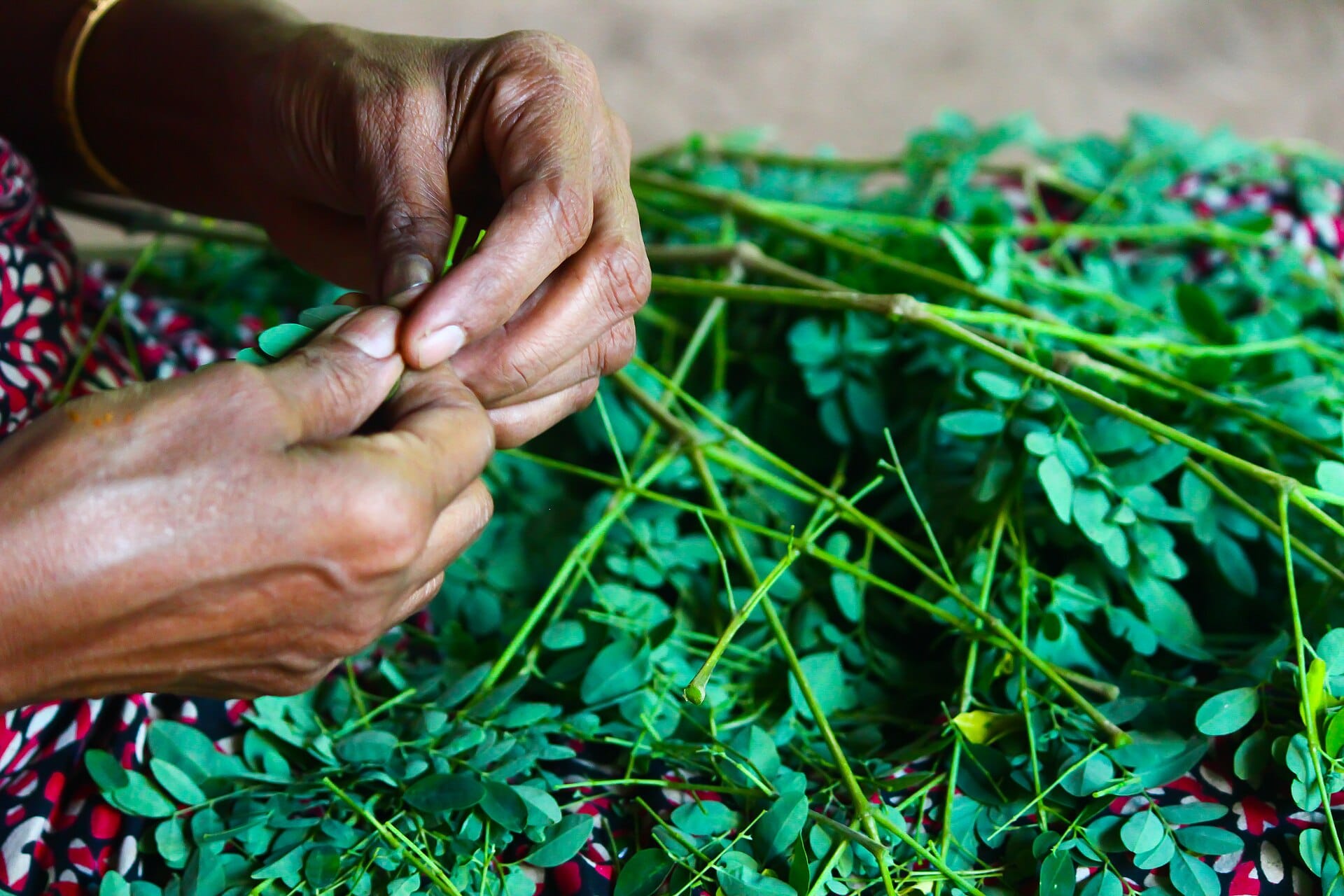
1. Harvesting
Leaves are harvested from the tree, usually by cutting young branches and stripping the leaflets by hand. Harvested leaves are moved out of the sun and taken for cleaning quickly, because leaves start to wilt and discolour soon after picking.
2. Cleaning and sorting
Leaves are separated from stems and twigs, sorted to remove damaged or yellow leaves, and washed in clean water. Excess water is drained before drying.
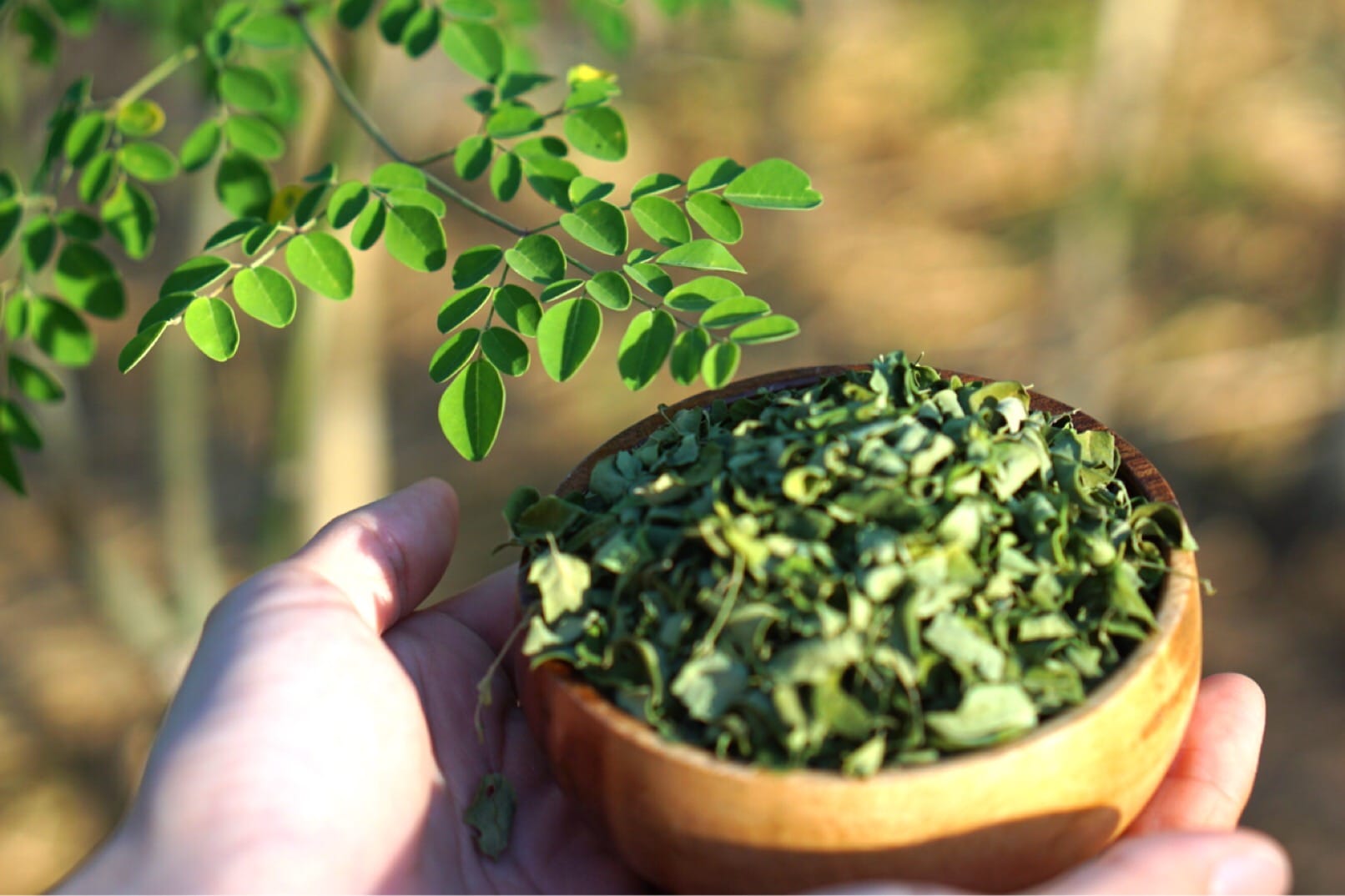
3. Drying
Drying removes moisture so the leaves can be milled and stored. Producers commonly use shade drying or controlled low-temperature dryers rather than drying in direct sun. The aim is leaves that are dry enough to crumble while keeping their green colour.
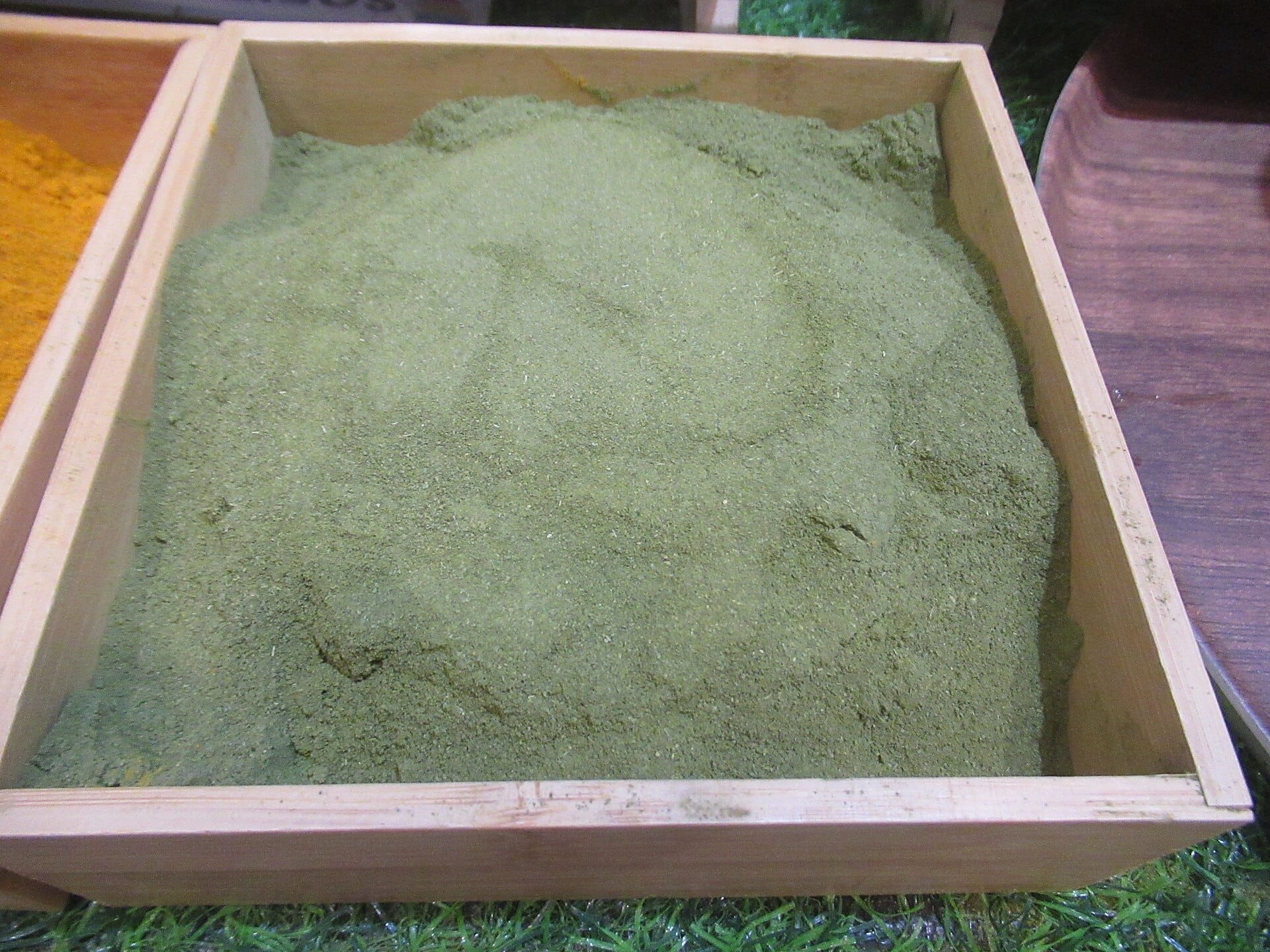
4. Milling and sieving
Dried leaves are milled into powder and passed through a sieve to achieve an even, fine texture. Any coarse particles are re-milled or removed.
5. Packing and labelling
The powder is packed in food-grade, moisture-resistant packaging and sealed. Each pack is labelled with the product name, ingredients, net quantity, batch or lot number, dates and storage directions, along with the details required for packaged food in India.
Checkpoints buyers can ask about
- Moisture — dry powder keeps better; ask how moisture is checked.
- Foreign matter — how stems, dust and other material are removed.
- Hygiene — how the drying and milling area is kept clean.
- Packaging — what material is used and whether packs are sealed.
- Batch records — whether each batch can be traced to its harvest period and growing area.
- Test reports — which tests, if any, are available for the batch you are buying.
HM Agrione grows moringa in Sonbhadra and Mirzapur, Uttar Pradesh. See our Moringa Powder page for product details as they are published.
Ready for the next step?
Explore Moringa Powder