HM Agrione grows moringa in Sonbhadra and Mirzapur and Apple Ber in Azamgarh, Uttar Pradesh. Here is general information on both crops — and how farmers can get in touch.
Cultivation areas are shown at district level. Farm addresses are not published on this website.
Our film
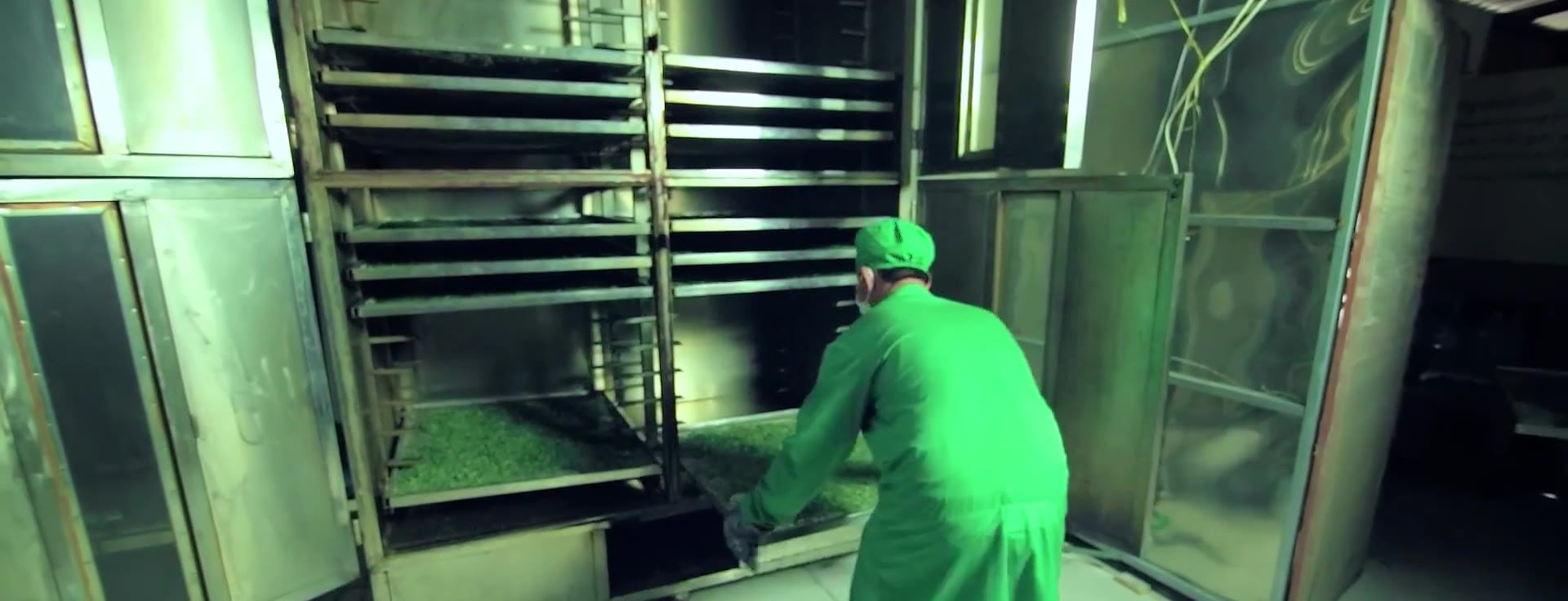
Inside our Moringa Powder plant
From our moringa fields to washing, drying and milling — a short film by HM Agrione India LLP.
The information on this page is general and is not agronomic advice for your specific farm. Conditions vary by district, soil, water and season — please consult your local Krishi Vigyan Kendra (KVK) or state agriculture / horticulture department before making planting decisions.
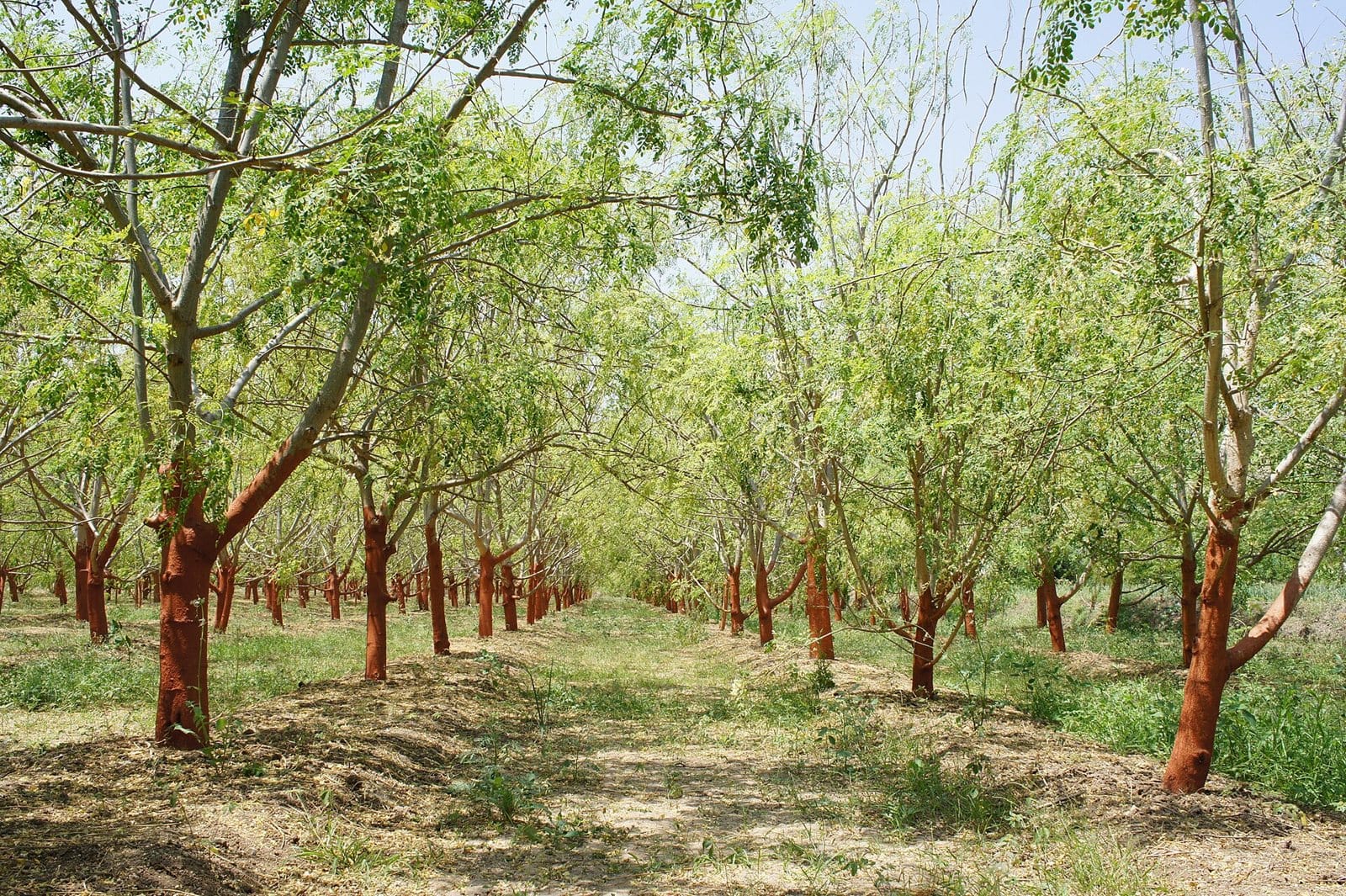
Moringa farming
Moringa is grown in many parts of India, from backyard trees to dedicated plantations. It can be grown for different end uses — such as leaves for drying and processing, fresh leaves or pods — and each use has its own harvesting and handling needs.
Things to plan for
Decide the main end use first: it shapes spacing, pruning and labour planning.
Check drainage, soil condition and a dependable source of irrigation for dry months.
Plan harvest labour and how produce will reach drying or the buyer quickly.
Speak to potential buyers about quantity, quality and payment terms before planting.
Consider starting with a smaller area and keeping simple records from day one.
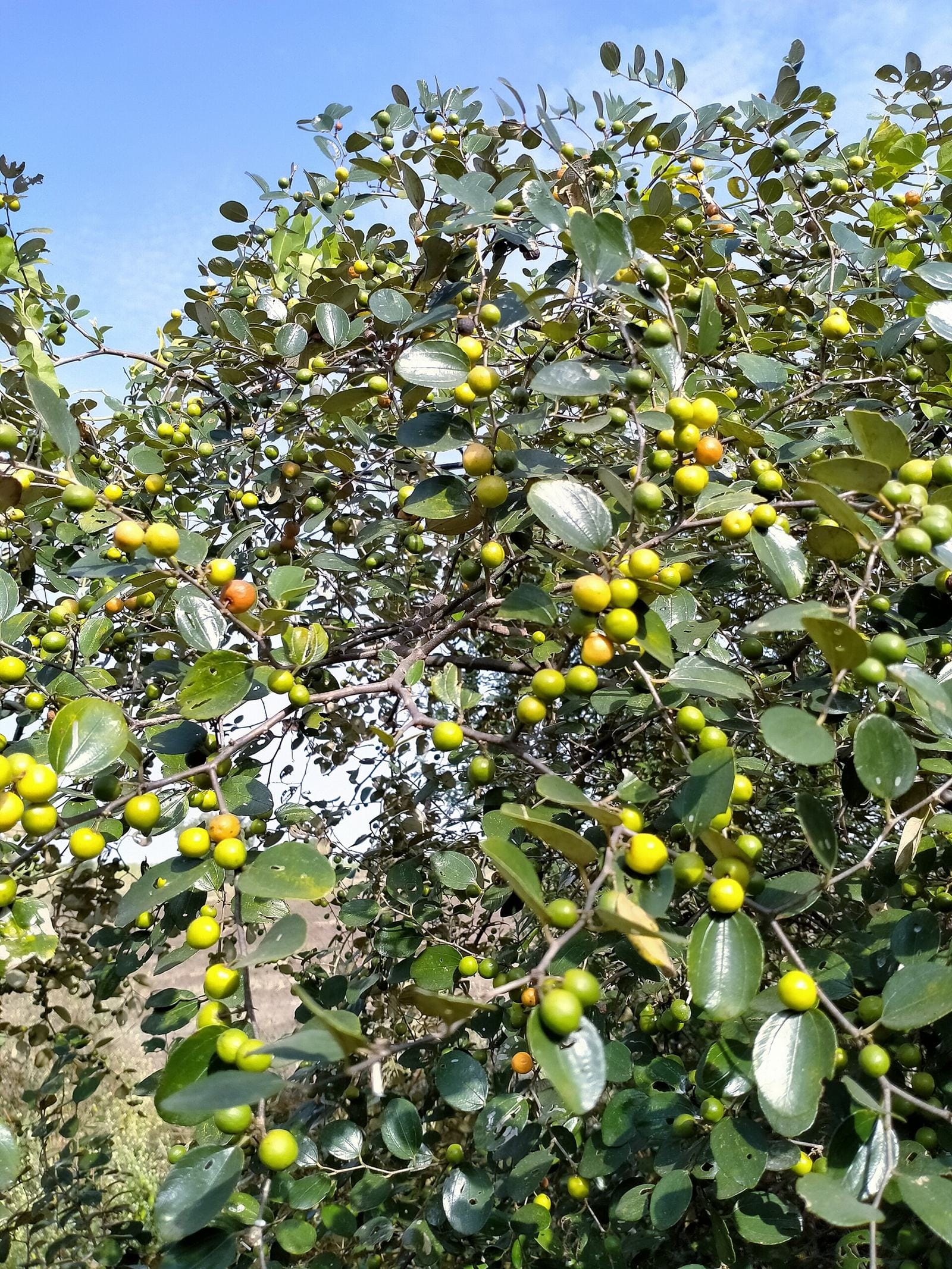
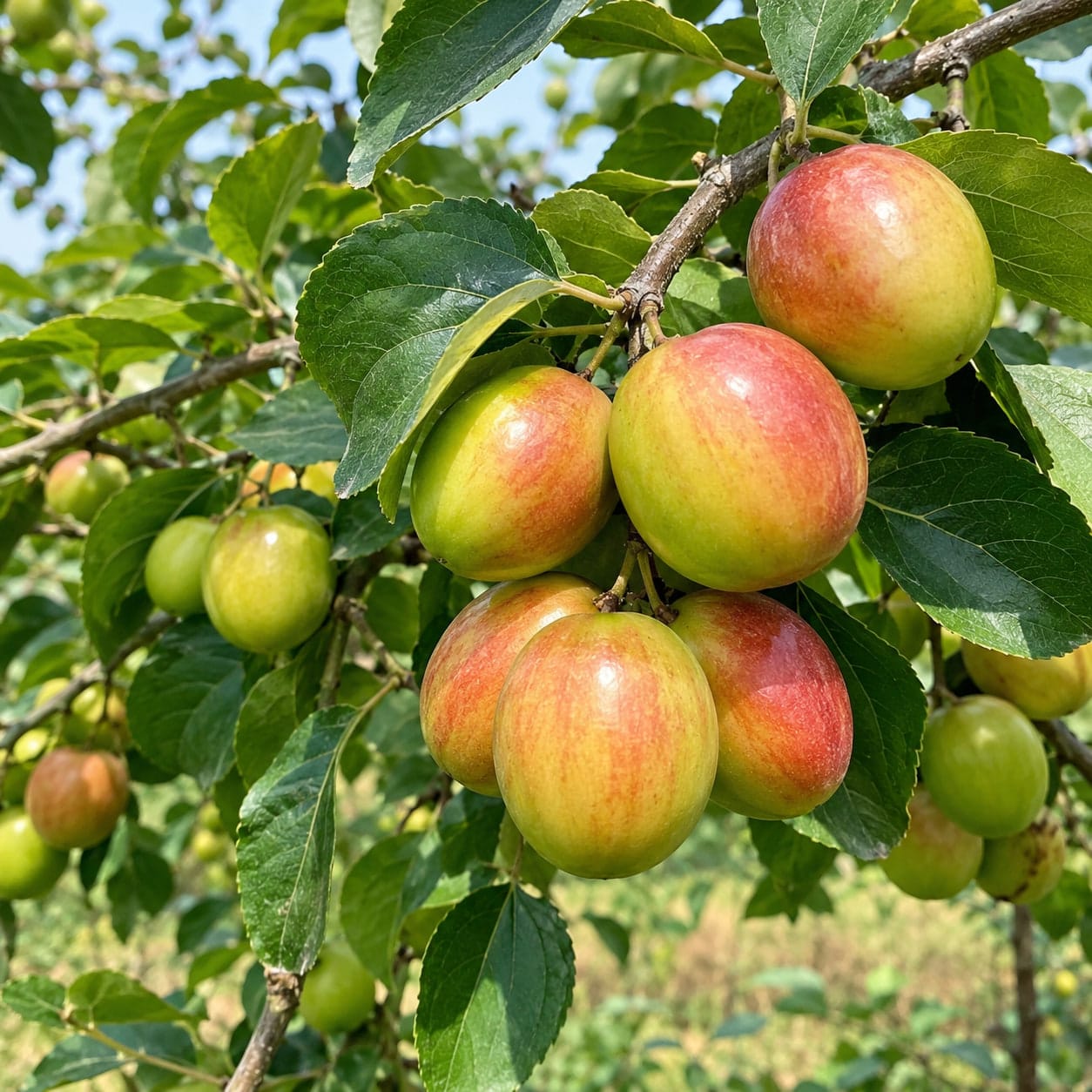
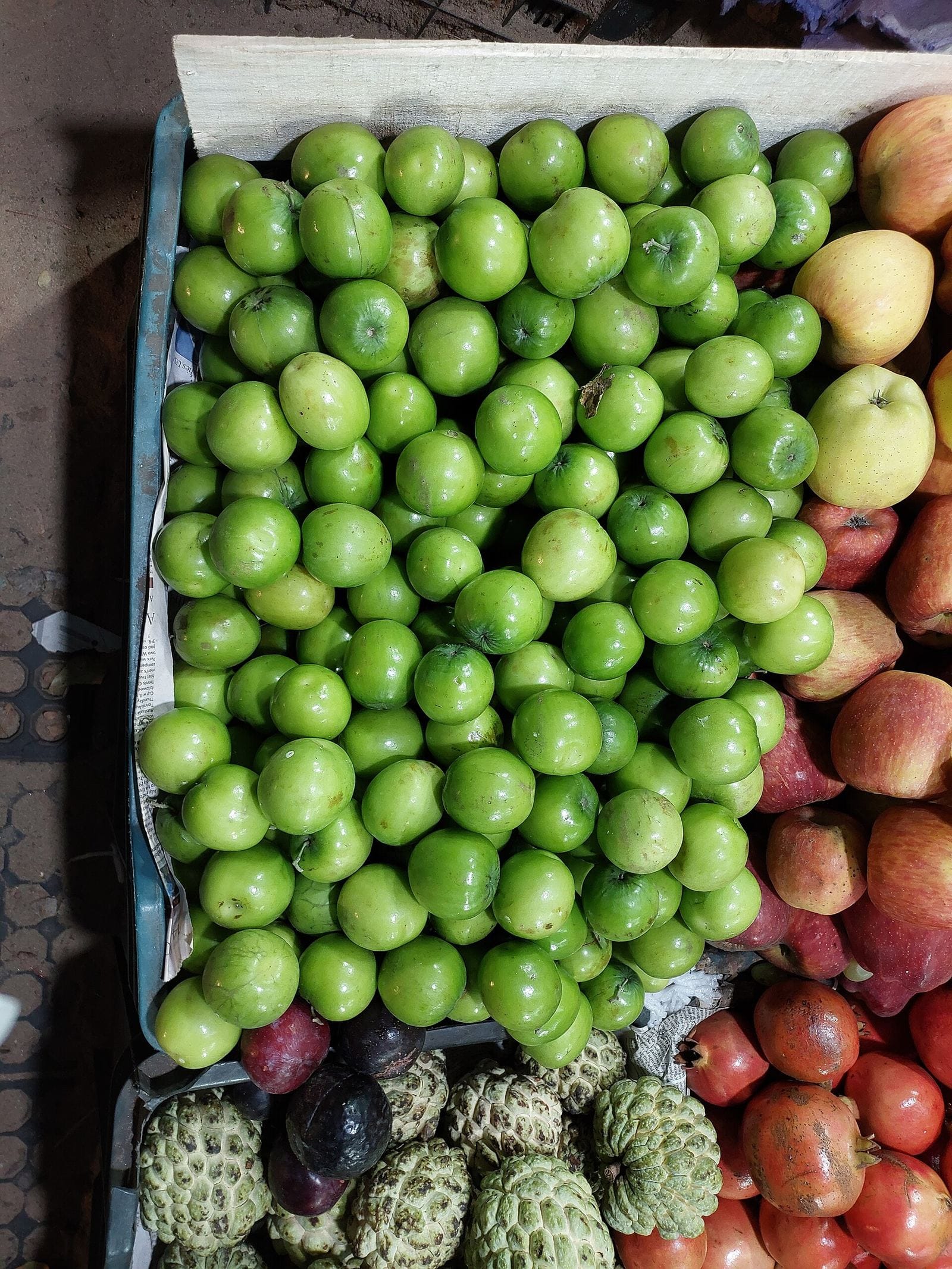
Apple Ber is grown as an orchard crop and harvested seasonally. Like any fruit orchard, it is a multi-year commitment, so planting material, layout and orchard care deserve careful planning.
Things to plan for
Source planting material from a reliable, registered nursery and confirm the variety.
Ask your district horticulture office about suitability for your climate and soil.
Plan spacing for sunlight, airflow, spraying and harvesting access.
Get local expert advice on pruning, irrigation and pest and disease monitoring.
Arrange crates, labour and transport before harvest — fresh ber is perishable.
How each division typically works. Every step is labelled so you can see what is confirmed and what is illustrative.
How moringa typically moves from the field to a finished pack. Steps are marked to show what is confirmed and what is illustrative.
Current operationIllustrative — to be confirmed
Step 1
Cultivation
Moringa is cultivated in Sonbhadra and Mirzapur, Uttar Pradesh.
Current operation
Step 2
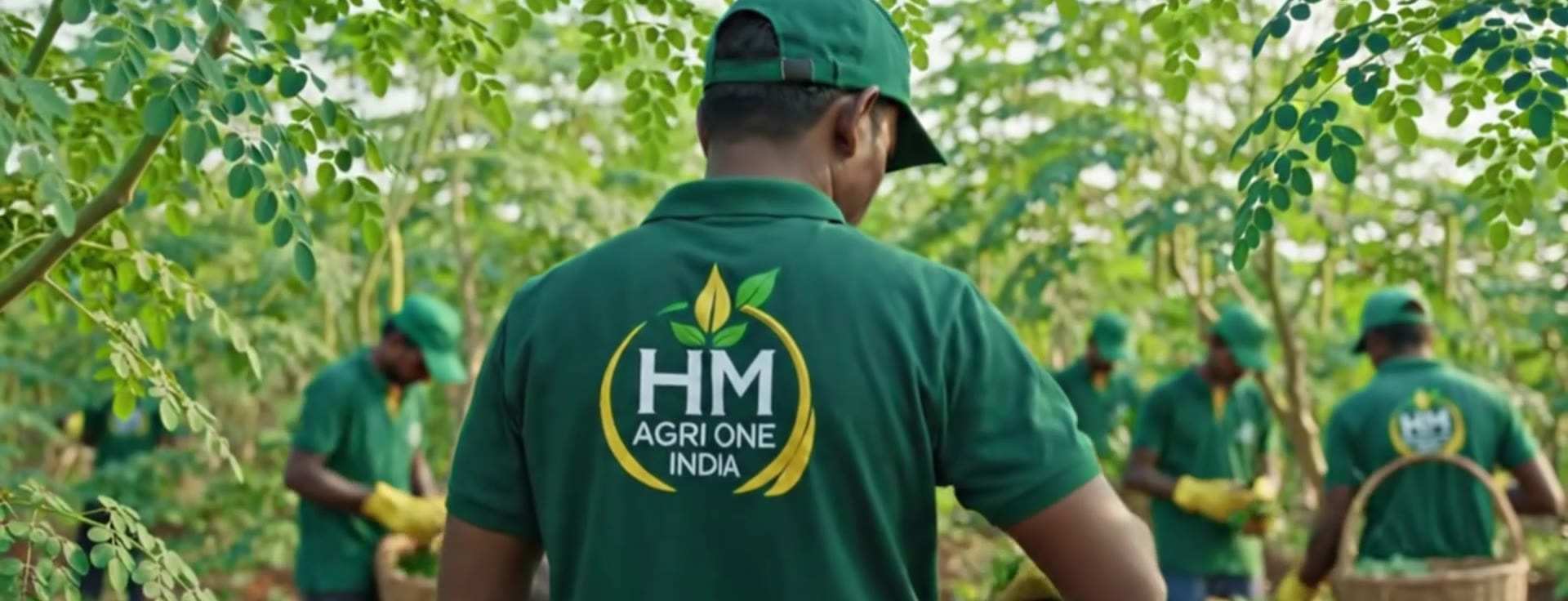
Harvesting
Leaves harvested at the right stage and moved quickly from the field.
Illustrative — to be confirmed
Step 3
Processing
Cleaning, drying and milling of leaves into powder, where applicable.
Illustrative — to be confirmed
Step 4
Packaging
Packing into retail or bulk formats with batch and label details, where applicable.
Illustrative — to be confirmed
Step 5
Dispatch and supply
Orders dispatched to retail customers and business buyers after confirmation.
Illustrative — to be confirmed
Responsible practices
Everyday habits that keep farms productive
Responsible farming is built from small, consistent practices rather than one big decision.
Careful water use
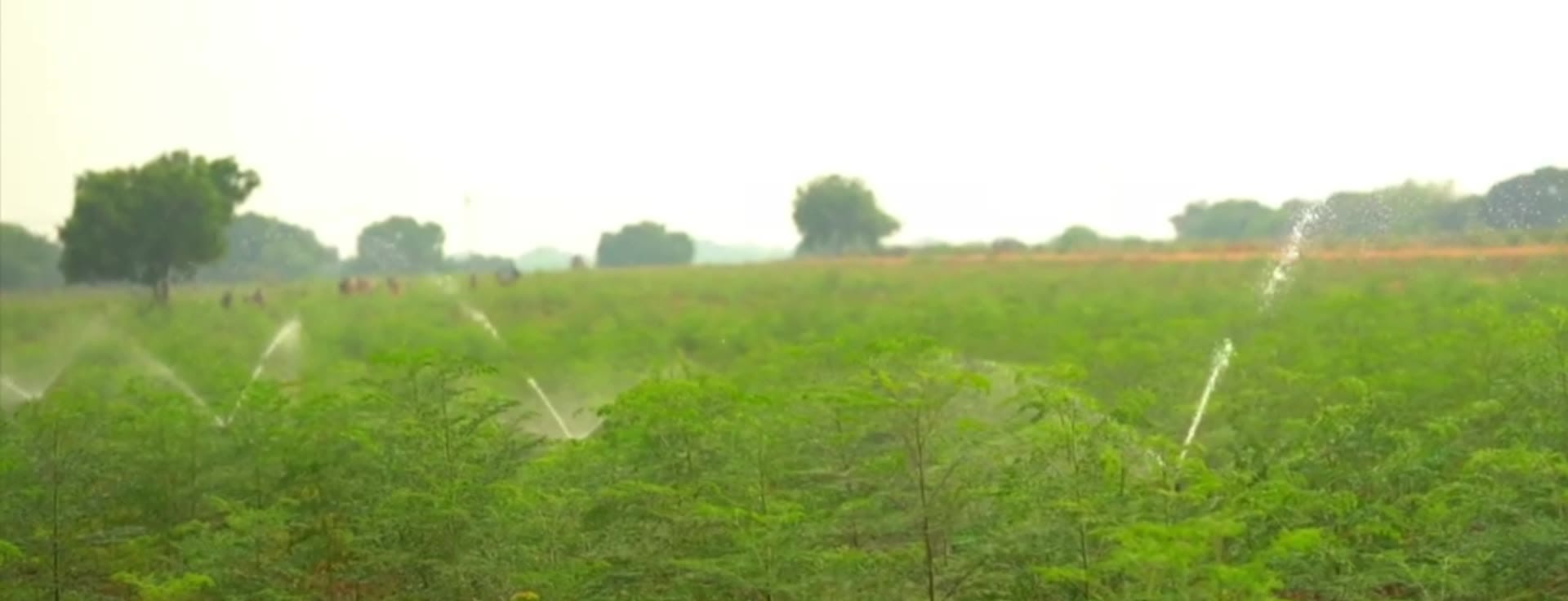
Irrigate by crop stage and soil moisture; consider efficient methods where practical.
Know your soil
Soil testing helps plan inputs rather than guess them. Soil Health Card labs are a good start.
Keep farm records
Plantings, inputs, irrigation, harvests and sales — simple records improve every season.
Use local expertise
Krishi Vigyan Kendras and state agriculture departments offer low-cost, local advice.
Working with farmers
If you grow, or plan to grow, moringa or Apple Ber, tell us about your land and interest. Our team will get in touch to discuss cultivation information, supplying your produce or available company programmes. We do not promise guaranteed earnings, yields, purchases or returns — any arrangement is agreed individually and in writing.
Moringa is grown across many parts of India, but a good plan starts with land, water, labour and — most importantly — a clear idea of who will buy your harvest.